

Reviews from our clients


Willow Grove
6 months ago
I highly recommend S P Landscapes - they came out to prune & shape 3 trees at the front of my property and reduce the height of a yew tree in the back garden. Their work was excellent and both guys were very knowledgeable and friendly. They worked safely and the area was left clean and tidy and all trimmings removed. I will definitely have them back again in the winter for more work. Many thanks, L Winstanley

Brenda White
7 months ago
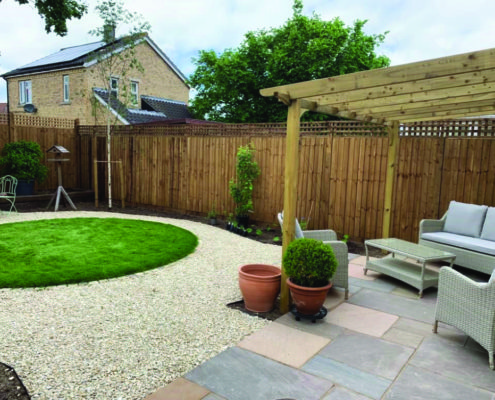
Very Good. Guys who did my work of revamping front garden, jet washed & re grouted back patio were excellent pleasure to have them work for me.

Patrick King
8 months ago
S P Landscapes did a marvellous job of reducing the height and density of several trees and bushes on our property. The operatives arrived and finished on time and tidied up well. I am very pleased with their performance and price and would use them again.

Lisa Doyle
8 months ago
Fabulous job/service. Good value for money. Respectful and friendly staff who left everything very tidy and did exactly what we asked. Thanks for a great service. Would definitely recommend 👍

Toni Batey
10 months ago
Excellent service, prompt and helpful response to my enquiries and punctual arrival for the estimate visit and installation of the planting on the day. The guys did a great job on the installation and were happy to answer all my questions and advise. Friendly and professional team throughout. Really pleased with how the garden is looking it is a great improvement already. Thank you SP Landscapes!

Joanne Frost
1 year ago
We have used S P Landscapes and Trees before and again we’re delighted with their work. They are extremely efficient and professional. They were working on an awkward side road and made sure they kept the byway open and kept disruption to a minimum. Their employees are appropriately qualified and health and safety is a high priority. I would definitely use them again.

nicola kettlewell
3 years ago
Very happy with this Company, prompt reply to our request, communication excellent throughout. All the staff we dealt with were excellent and friendly. We were very happy with the work they did on our trees and would use them again.

Paul Hickman
3 years ago
Excellent service. Arrived on the day and time agreed. Both workmen were very professional. Work done as agreed and everything left tidy.

David Wood
3 years ago
Excellent job well done

Pam Auld
3 years ago
This was the 2nd time I have used this company and, as with the first time, they have done an excellent job at a reasonable price. I needed two hedges reduced in height, and on the hottest day of the year, two young men arrived, with all the gear and worked solidly for 3 hours. They were both polite and very professional, clearly knew their job and cleared away everything before leaving. I would have no hesitation in recommending this company and will definitely use again in the future.

Darren Sheppard
3 years ago
We had a very large beech tree and two other trees that required felling , at our school in Mildenhall . All of our concerns regarding safety and damage to buildings and astro turf were more that adequately addressed . I cannot praise this company enough . From start to finish , they were very efficient , very professional and very custoner focused . Great job guys .

Bill Ward
4 years ago
I hired SP Landscapes to 'crown reduce' one ash tree and pollard another suffering from ash dieback. This was a potentially tricky job and a large cherry picker was needed to safely access the trees. Also it was important that no heavy pieces or debris fell onto the garden office or into the next door property.
The work was carried out with great professionalism, skill and courtesy throughout the two days. The three chaps were unfailingly polite and explained everything clearly. They left the site very clean and tidy.
I wholeheartedly recommend SP Landscapes. You will pay a bit more but the peace of mind that comes from hiring a team that really know what they are doing is worth every penny.

Bill Ward
4 years ago
I hired SP Landscapes to 'crown reduce' one ash tree and pollard another suffering from ash dieback. This was a potentially tricky job and a large cherry picker was needed to safely access the trees. Also it was important that no heavy pieces or debris fell onto the garden office or into the next door property.
The work was carried out with great professionalism, skill and courtesy throughout the two days. The three chaps were unfailingly polite and explained everything clearly. They left the site very clean and tidy.
I wholeheartedly recommend SP Landscapes. You will pay a bit more but the peace of mind that comes from hiring a team that really know what they are doing is worth every penny.
Request an estimate
Contact us
Call us: 01638 750186
S.P. Landscapes & Tree Contractors
Arboracre, Elms Road
Red Lodge
Bury St. Edmunds
Suffolk, IP28 8TD


Sign-up for updates
Contact us
Call us: 01638 750186
S.P. Landscapes & Tree Contractors
Arboracre, Elms Road
Red Lodge
Bury St. Edmunds
Suffolk, IP28 8TD





Sign up for updates
Examples of our work